Restore and protect your damaged teeth with high-quality dental crowns. Our expertly crafted crowns provide lasting durability, natural aesthetics, and complete functionality for your smile.
Schedule Consultation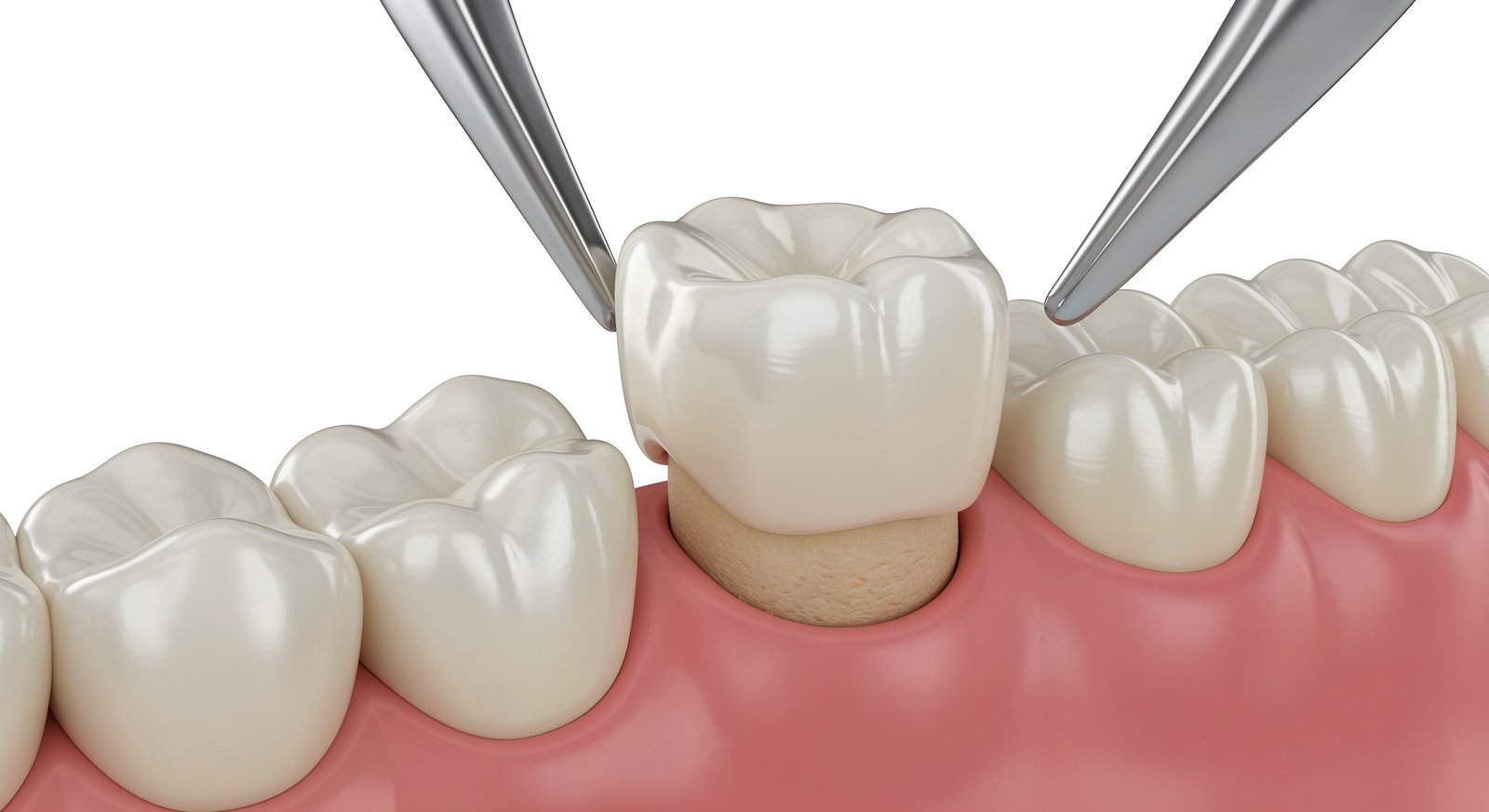
Dental crowns are fixed prosthetic devices firmly attached to the tooth or implant by a dentist. Crowns can help protect your damaged or broken tooth, or they can cover an implant. These devices encase the visible part of the tooth above the gum. At our dental practice, we will provide you with high-quality dental caps that are long-lasting and durable. If you have damaged caps, our skilled experts will be able to make new ones for you.
Dental crowns are often used for both cosmetic and restorative purposes. Here are some reasons you might have to get one:
The method of getting a dental crown takes two visits to the dentist. The first visit is for diagnosis and the manufacture of the crown. During your second visit, the crown will be placed on your tooth. Here's how it works:
During your initial visit, your dentist is likely going to take x-rays of the teeth so they can get an idea of the medical condition by checking the teeth and their surrounding bones. If there is too much decay, infection, or injury to the tooth pulp, the dentist will perform root canal therapy first. However, if there is enough tooth material to be saved, and it can be saved, your dentist will remove the decayed part and place a restoration made from composite resin—a type of material that will naturally blend with your natural teeth once they are cleaned.
When you see the dentist, they will numb your gum tissues and teeth so that you don't feel pain when they perform the procedure. The dentist will then remove a layer from the outside of your tooth so that the crowns fit correctly. If a large part of your tooth is decayed or damaged, the dentist will restore it using filling material to support the crown. Next, your dentist will take an impression of your prepared teeth using putty or paste. Next, modern CAD/CAM dentistry will scan your teeth to impress them. The prints are carefully sent to a laboratory to be made into crowns. You'll have to wear temporary crowns until your permanent ones are ready—this usually takes about two to three weeks.
During your follow-up visit, the dentist would remove the temporary crown. Next, the dentist will see if the color and fit are suitable for the new permanent crown. If everything looks good, your dentist will numb the tooth and apply cement to it to place the new crown on it.
After your crown has been cemented, avoid consuming any foods or drinks for one hour. Sticky foods should be avoided for a few hours afterward. Once the cement is dry, you can resume your regular oral hygiene routine as instructed by your dentist. A crown can last longer than a dental veneer. The dental cement will hold it in place. However, the cement will dissolve over time, leaving a gap where the crown once was.
It may become loose or fall off entirely. If this happens, don't attempt to re-attach it. There may be traces of cement inside that could damage your tooth. A porcelain crown can also crack and may require repair. If we have to replace it, we can do so from our dental lab. If a crown is severely damaged, we may suggest getting a new one instead.